Face Jug Pottery

History of Face Jugs
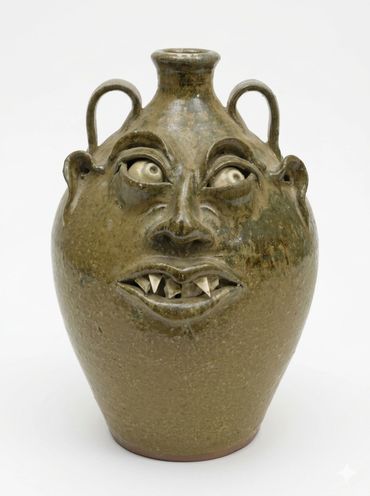
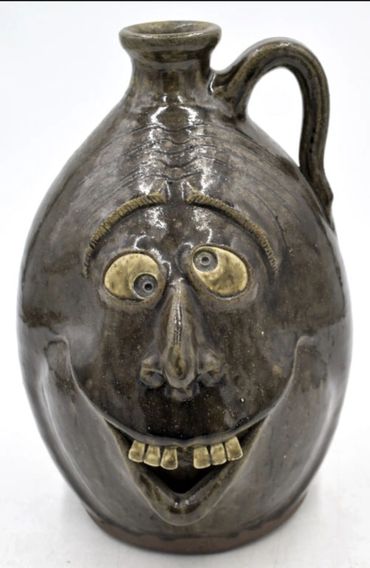
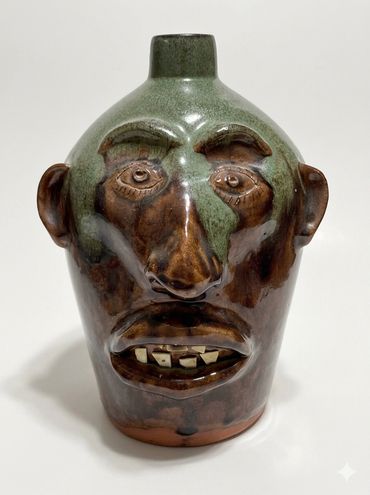
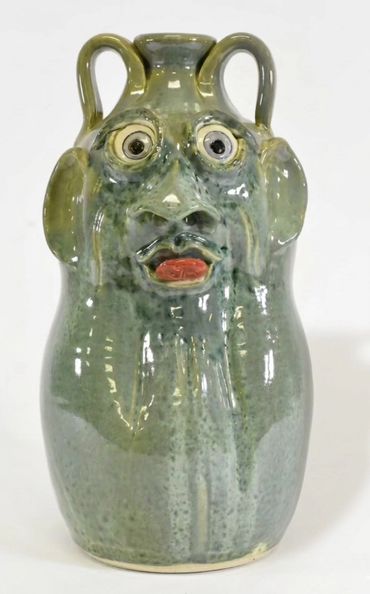
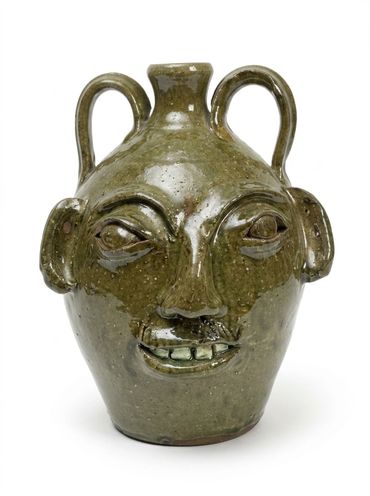
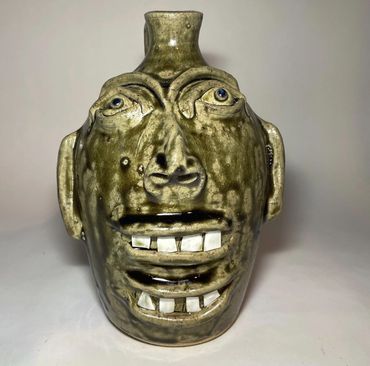
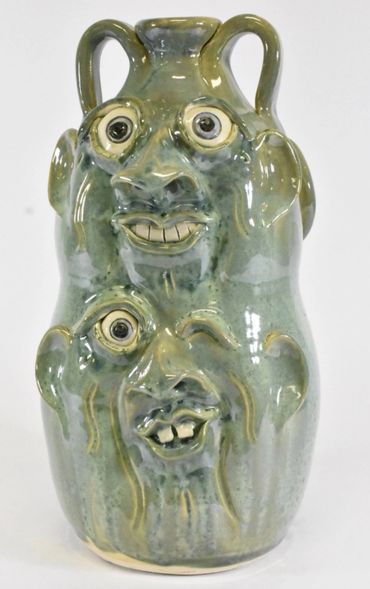
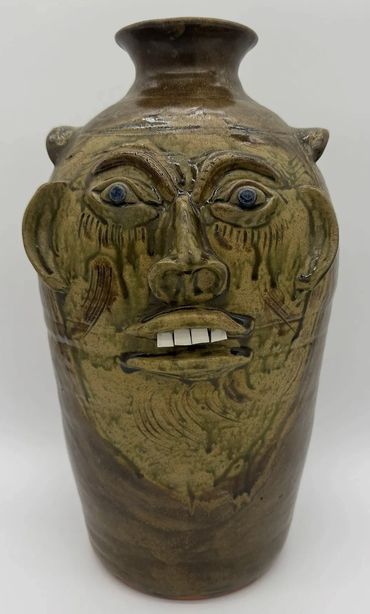
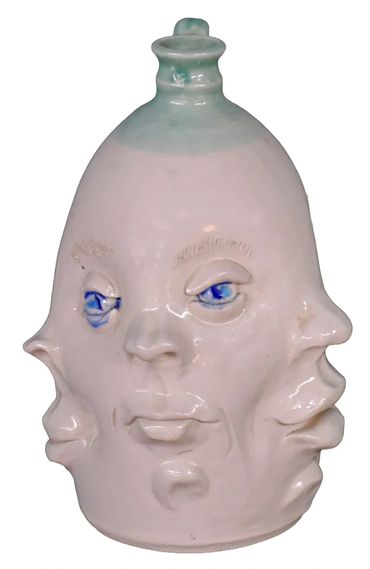
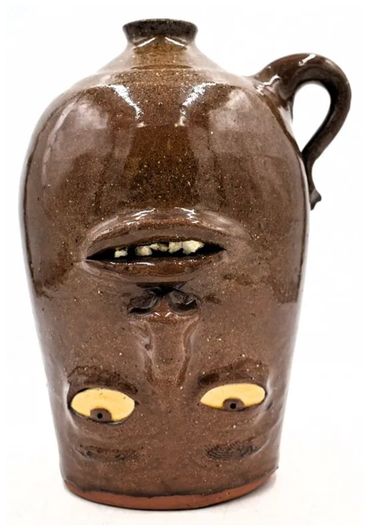
Face jug pottery is a unique tradition in American folk art that began in the mid-1800s. The earliest known face jugs were made by enslaved African American potters in the Edgefield District of South Carolina and nearby areas of Georgia. These skilled artisans created stoneware for everyday use, but they also made jugs decorated with human faces featuring large eyes, wide mouths, and expressive features. Many historians believe the designs were influenced by West and Central African artistic and spiritual traditions.
The original purpose of face jugs is not fully known because few written records exist. Some experts think they may have been used in spiritual ceremonies, as protective objects, or as grave markers. Regardless of their purpose, the jugs reflect the creativity, craftsmanship, and cultural traditions that enslaved potters preserved despite the hardships of slavery.
After the Civil War, the tradition became less common as factory-made containers replaced handmade pottery. During the 20th century, artists and collectors helped revive interest in face jugs, and many modern potters created their own versions while honoring the historic style.
Today, face jugs are recognized as an important part of American folk art and African American history. Museums and collectors value both historic and contemporary face jugs for their artistic beauty and their connection to the lives and cultural heritage of the potters who created them.
Face Jug Artist: Select image to enlarge.